Mapperley Skerry – Sandstone v Clay
In simple terms, the geology of Nottingham is as follows. To the west of the A60 Mansfield Road are sand-fields and to the east are clay-fields. Most sandstone produced in Nottingham is known as Bulwell stone and has a yellow tinge. It is a stone we are all familiar with. It can be seen as walls and garden rockeries all over the city. In Mapperley, between the layers of clay can be found another type of sandstone, known as Mapperley Skerry. The stones have a very fine grain and a distinctive blue grey tinge.
Geology
In between the sedimentary layers of Keuper Marl a layer of extremely fine-grained sandstone sometimes occurs, called Skerry, or in this area Mapperley Skerry. The Skerry beds range from a few centimetres in thickness to up to 30 cm, sandwiched in between the thicker layers of marl. Skerry was discarded and put to one side by the early brick makers as they dug the clay for brickmaking purposes.
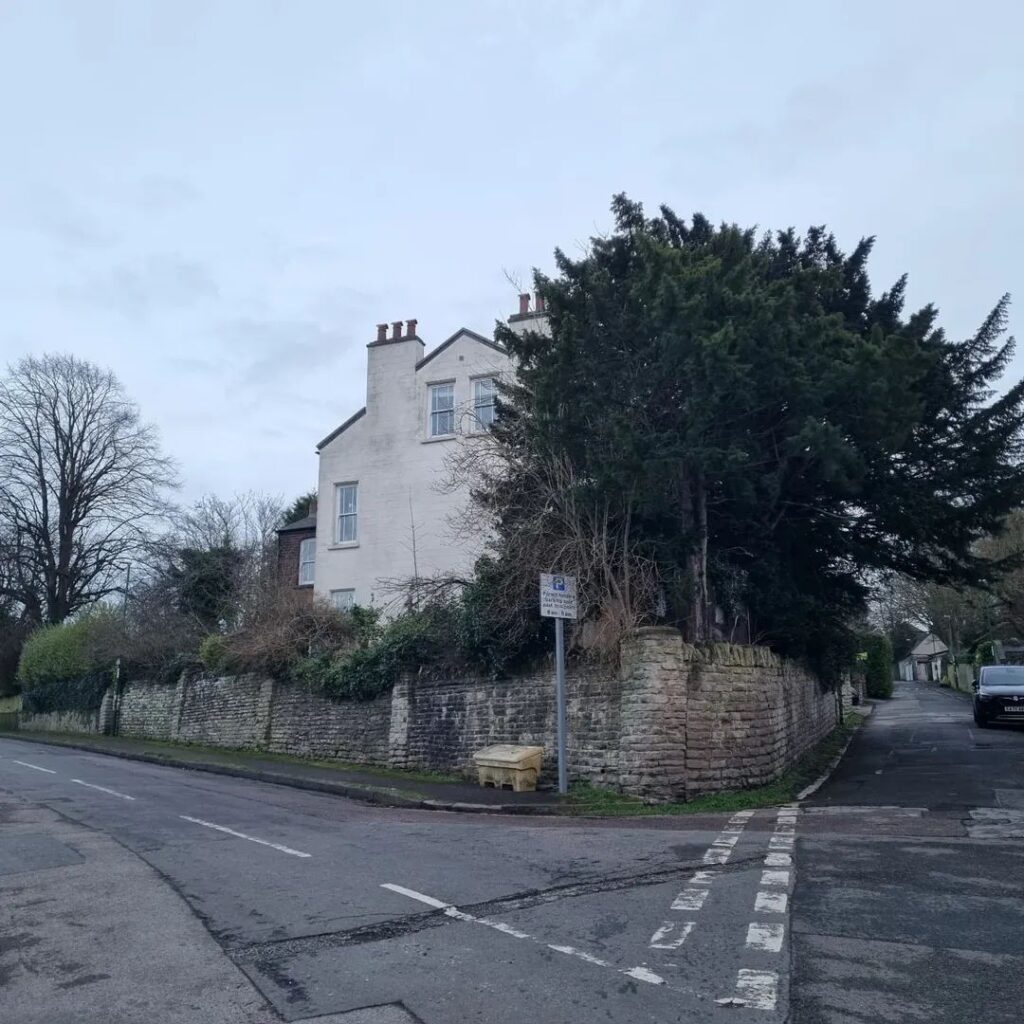
Many fine examples of Skerry can be seen in the Mapperley area often utilised in the construction of boundary walls of many properties. One example of a wall constructed of Mapperley Skerry is situated at the junction of Private Road and Woodborough Road, the boundary wall of a former brickyard, known as the Top Yard.
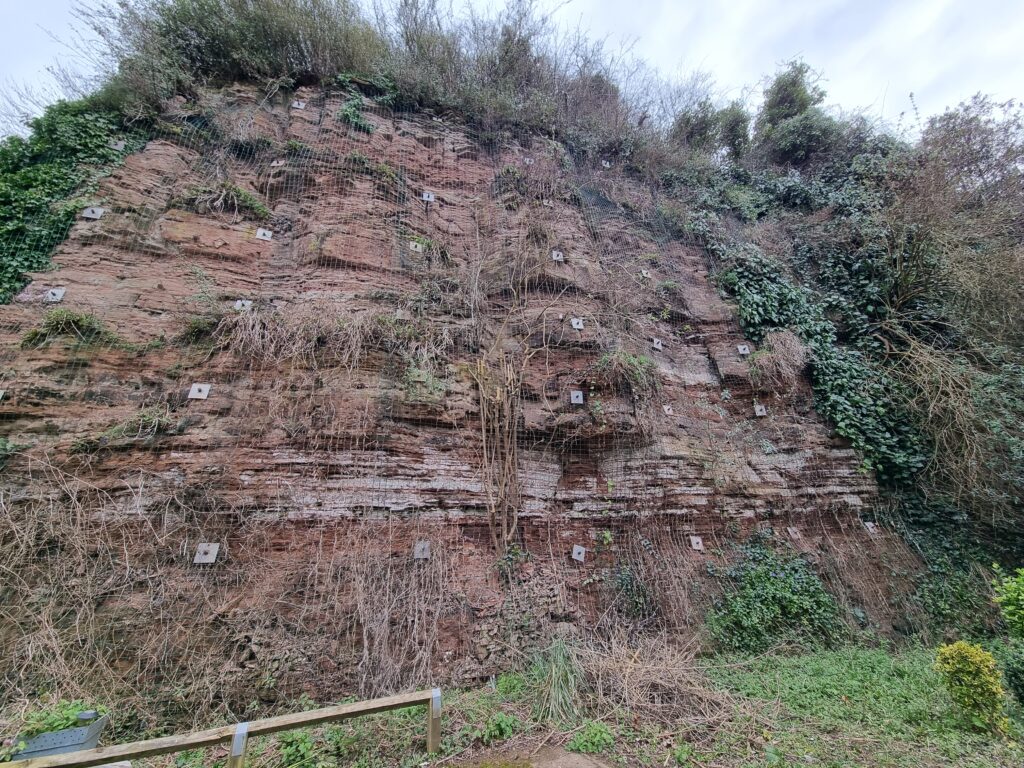
The best example of both Keuper Marl and Mapperley Skerry in the city can be seen at the lower end of Eccles Way off the Wells Road. This was a former brickyard, then a haulage yard until it was recently developed for housing in the 1990s The redundant quarry face towers 18 metres (60 ft) vertically above the road. The beds of Keuper Marl can be clearly seen with layers of skerry intermittently separating the marl beds.
Trent Bridge
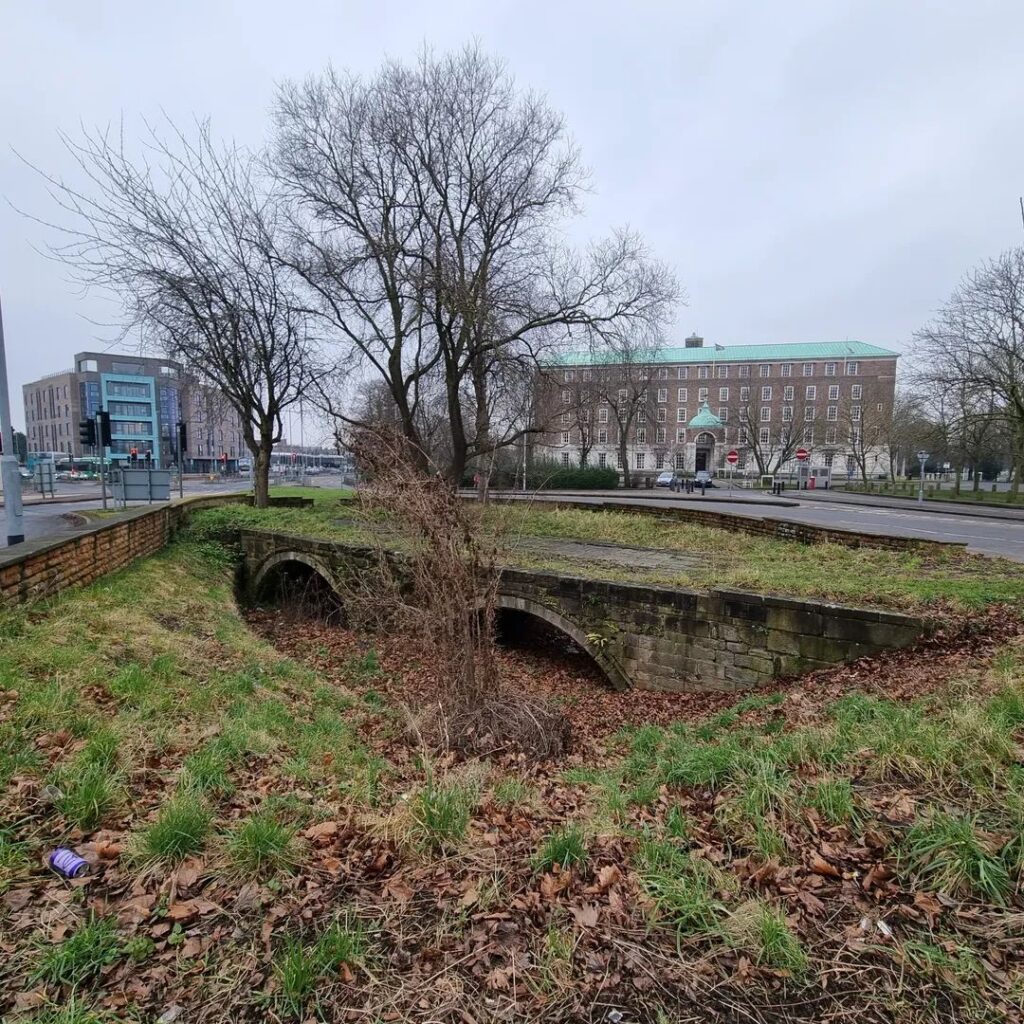
Historical accounts state that Skerry can be easily worked and shaped when first quarried, and with age it acquires much stronger properties. Where the beds are thickest they were quarried and dressed into large squared blocks and used in the construction of larger projects. Stone of this type was transported from Mapperley to construct the first stone built Trent Bridge, around 1670. The remains of a small section of the old bridge can still be seen in the middle of the traffic island, situated on the south side of the River Trent.
Brickmakers Choice
In 1901 Charles Lawrence Bennett was a joint manager of the NPBC brickyards, working alongside his father Charles Bennett senior. It is unclear if the house was still owned by the NPBC or at this time owned privately by the Bennett Family. Charles Bennett senior also lived in the Sherwood property “Fairleigh” before building his own house on Woodborough Road.
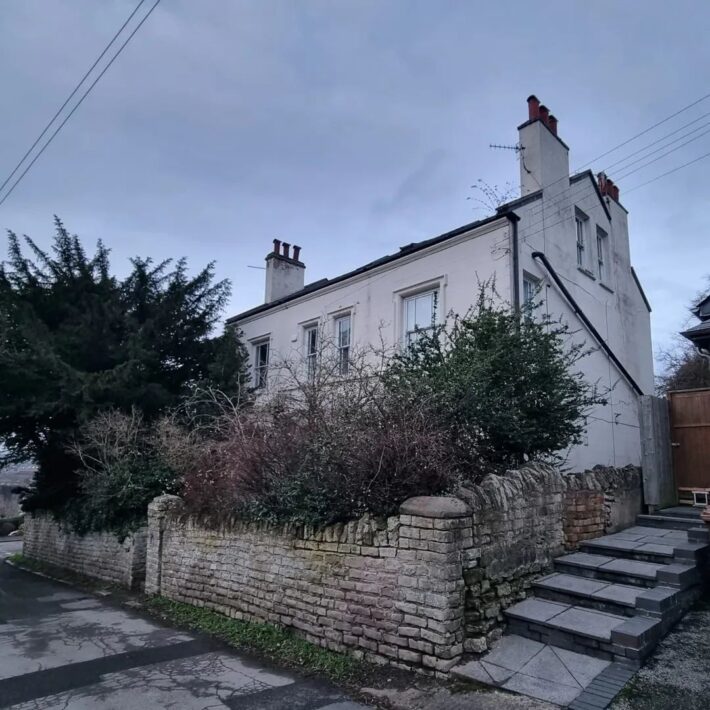
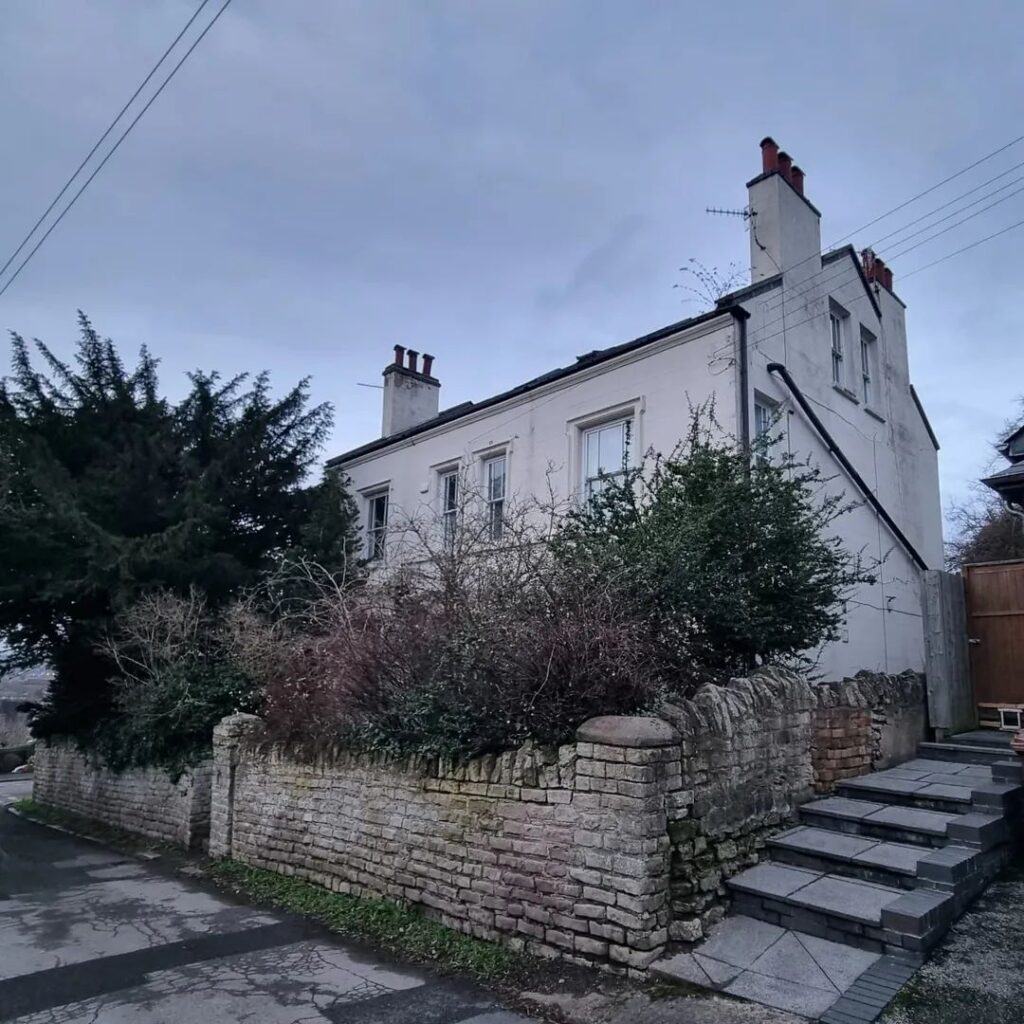
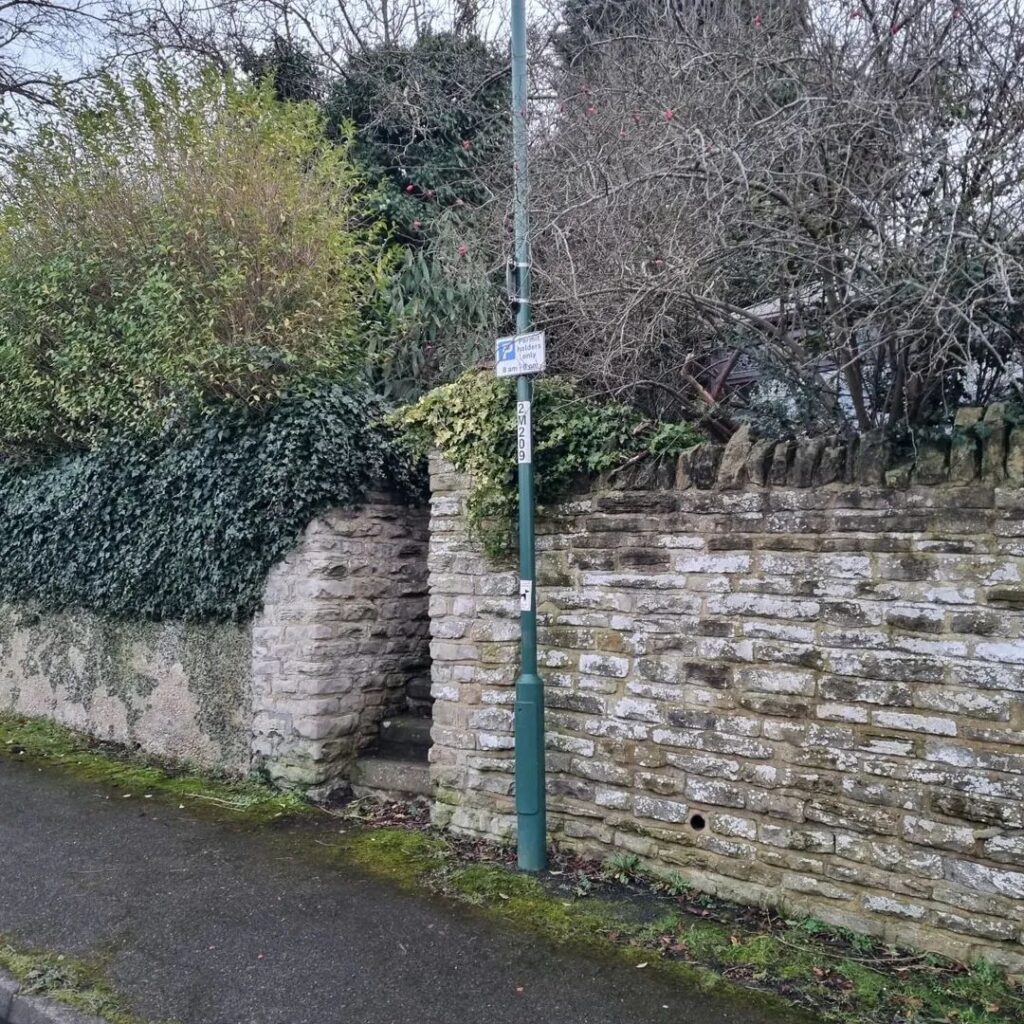
The plans of the villas still exist at the Nottinghamshire archives. At the time, 1883, Morley Avenue was called Brickyard Road. Mr Morley’s name also appears; he was a former director of the NPBC Company. ‘The villas rendered with stucco on three sides, comply with Cartledges covenant. The high boundary wall to the villas were constructed from Mapperley Skerry, the stones used having a very fine grain and a distinctive blue grey tinge.
The side entrance to one of the villas used to have a curious memento. On the top of one of the stone gate pillars was a metal vent cowl that is believed to have once sat on the ridge of a large brick making shed roof, being rescued by one of the Bennett family when the top yard was demolished in 1901.
Taken from Clay Stealers to St Pancras Station A History of Nottingham’s Brick Makers with kind permission of the author Jeff Sheard